
Posts

Bad weather can have a significant impact on your roof
Bad weather can significantly impact your roof, potentially causing damage ranging from minor issues to severe structural problems. Understanding how different types of weather can affect your roof can help you take preventive measures and address issues promptly. Here are some ways in which bad weather can impact your roof:
1. Wind:
- Damage: Strong winds can lift and loosen shingles, tiles, or roofing materials, especially if they are old or improperly installed. This can lead to exposed areas where water can penetrate.
- Debris: Flying debris such as branches, tree limbs, or other objects can cause physical damage to your roof, including punctures or dents.
2. Rain and Water Accumulation:
- Leakage: Heavy rain or prolonged precipitation can expose vulnerabilities in your roof, causing leaks. This is especially true if there are missing or damaged shingles, cracked flashing, or deteriorated sealants around penetrations.
- Water Damage: Persistent leaks can lead to water damage inside your home, affecting ceilings, walls, insulation, and even electrical systems.
3. Hail:
- Impact Damage: Hailstorms can cause significant damage to roofing materials, especially asphalt shingles, causing dents, cracks, or punctures.
- Granule Loss: Hail impact can knock off protective granules from asphalt shingles, reducing their lifespan and making them more susceptible to UV damage.
4. Extreme Heat:
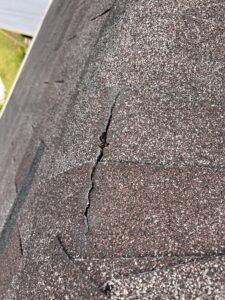
- Shingle Damage: Prolonged exposure to high temperatures and UV radiation can cause asphalt shingles to warp, crack, or curl. This can compromise their ability to protect your home from water infiltration.
5. Tornadoes and Hurricanes:
- Severe Damage: Tornadoes and hurricanes can cause catastrophic damage to roofs, including complete removal of roofing materials, and structural damage to rafters or trusses.
How to Minimize Weather Impact on Your Roof:
- Regular Inspections: Schedule regular inspections to check for signs of damage or wear and tear.
- Prompt Repairs: Address minor issues promptly before they escalate into larger problems.
- Trim Trees: Keep trees near your home trimmed to minimize the risk of branches falling on your roof during storms.
- Proper Installation: Ensure your roof is installed properly according to manufacturer guidelines and local building codes.
- Strong Materials: Choose durable roofing materials that suit your climate and withstand local weather conditions.
- Enhanced Ventilation: Ensure proper attic ventilation and insulation to prevent issues like moisture buildup.
By understanding how bad weather can impact your roof, you can protect your home, and minimize the risk of costly repairs. Regular maintenance is key to keeping your roof in optimal condition throughout its lifespan.