
Posts

Essential Guide to Roof Replacement: When, Why, and How
Your roof is one of the most critical components of your home, protecting it from the elements and ensuring your safety and comfort. Wear and tear can compromise its integrity, leading to leaks, energy inefficiency, and structural damage. It might be time to consider roof replacement when these signs become apparent.
When to Consider Roof Replacement
Determining when to replace your roof depends on various factors, including the type of roofing material, its age, and the local climate. However, some common signs indicate that your roof may need replacement:
- Age: Most roofs have a lifespan of 20-25 years, depending on the material. If your roof is nearing or past this age, it’s time to start considering replacement, even if there are no visible issues.
- Leaks: Water stains on your ceiling or walls, or signs of water damage. While some leaks can be repaired, extensive or recurring leaks may necessitate a new roof.
- Damaged Shingles: Cracked, curled, or missing shingles compromise your roof’s ability to protect your home. If a significant portion of your roof is damaged, replacement may be the best solution.
- Mold or Moss Growth: Excessive moisture can lead to the growth of mold, moss, or algae on your roof. This indicates underlying issues with ventilation or drainage. If left unchecked, this can cause rot and further damage.
- Energy Efficiency: An old or poorly insulated roof can generate higher energy bills. If you notice a significant increase in heating or cooling costs, it may be time to replace your roof.
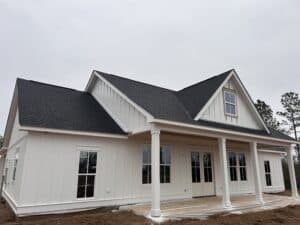
Why Roof Replacement Matters
Investing in a new roof offers several benefits beyond addressing immediate issues:
- Improved Safety: A structurally sound roof protects your home from weather-related hazards, ensuring their safety and well-being.
- Enhanced Curb Appeal: A new roof can transform the appearance of your home, increasing its value and curb appeal.
- Increased Energy Efficiency: Roofing materials are designed to provide better insulation and ventilation, reducing heat loss in winter and heat gain in summer. This can lead to lower energy bills and a more comfortable indoor environment.
- Long-Term Savings: Your roof replacement can save you money in the long run by preventing costly repairs and mitigating damage caused by leaks or structural issues.
How to Replace Your Roof
Roof replacement is a complex process best left to experienced professionals. Here’s a brief overview of what to expect:
- Assessment: ASF Contracting will inspect your roof to assess its condition and identify any underlying issues that need to be addressed.
- Material Selection: Choose the right roofing material based on your budget, climate, and aesthetic preferences.
- Preparation: The existing roof may need to be removed, or repairs may be necessary before installing the new roofing material. This ensures a clean and stable surface for the new roof.
- Installation: ASF Contracting will install the new roof according to manufacturer specifications, ensuring proper sealing, ventilation, and drainage to maximize its lifespan and performance.
- Cleanup and Inspection: Once the installation is complete, the job site should be thoroughly cleaned, and a final inspection conducted to ensure customer satisfaction.
- Roof replacement is a significant investment in your home’s safety, comfort, and value. By understanding the signs for a replacement and its benefits, you can make decisions to protect your home for years to come. With ASF Contracting, you can enjoy peace of mind knowing that your home is well protected.